Choosing the right softball bat is essential for developing proper swing mechanics. A bat that is too heavy, too long, or made of the wrong material can make learning softball more difficult, lead to bad habits, and even cause injuries. On the other hand, a bat that feels comfortable, fits your size, and matches your league rules can help beginners swing more naturally, make consistent contact, and enjoy the game from the start.
This guide breaks down everything you need to know about choosing the right bat, including differences between fastpitch and slowpitch, length and weight recommendations, materials, league rules, and tips for beginners.
Fastpitch vs. Slowpitch Bats
The first step in selecting a bat is understanding the difference between fastpitch and slowpitch softball bats:
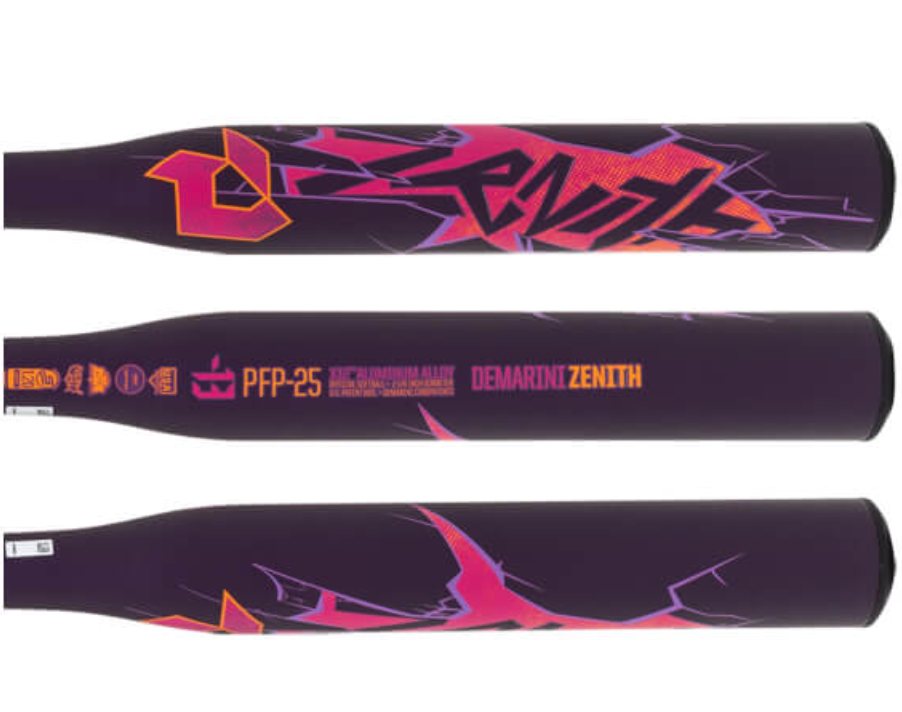
- Fastpitch bats are designed for faster pitching speeds, typically lighter, and allow quicker swings. They are used in youth, high school, and competitive leagues.
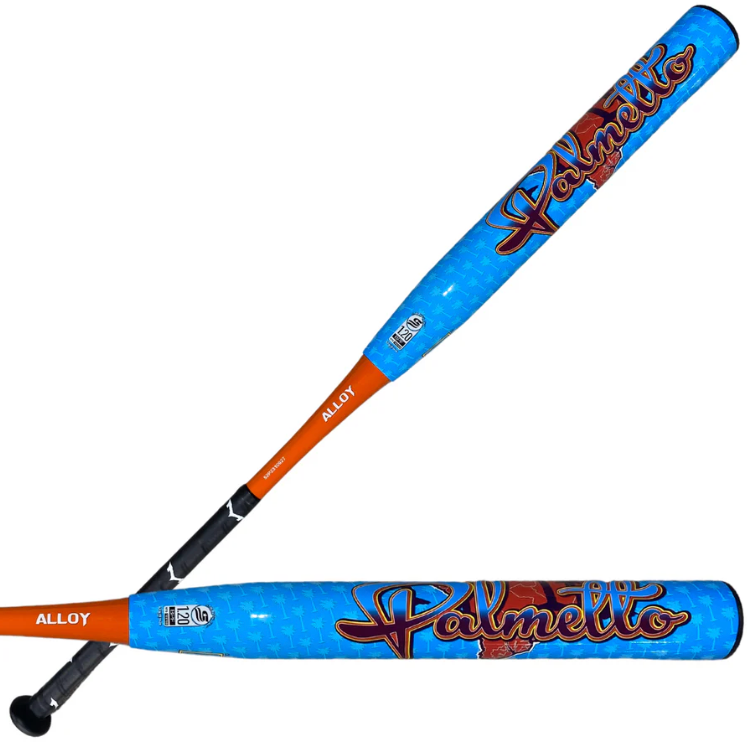
- Slowpitch bats are generally heavier, with larger barrels to help beginners make contact with slower pitches. These bats are often used in recreational leagues.
Tip: Always confirm your league’s bat requirements before purchasing. Using a bat that is not legal for your league can prevent you from participating in games.
Bat Length and Weight
The length and weight of a bat are critical factors for beginners:
- Length: Measured in inches, the bat should allow the player to reach the strike zone comfortably while maintaining control. Youth bat lengths typically fall in these ranges:
- Ages 5–8: 24–26 inches
- Ages 9–12: 27–30 inches
- Ages 13+: 31–34 inches
- Ages 5–8: 24–26 inches
- Weight: Measured in ounces, lighter bats allow faster swings and better control. Heavy bats are harder to control and may strain arms, leading to poor swing mechanics.
A helpful guideline for beginners is the drop weight formula, which subtracts bat weight (ounces) from bat length (inches). Most youth bats have a drop weight of -10 to -13, which balances control and power.
Tip: Always have the player swing the bat before purchasing to ensure it feels balanced and comfortable.
Bat Materials
Softball bats are made from various materials, each with advantages and drawbacks:
- Aluminum or alloy bats: Lightweight, durable, and affordable. Ideal for beginners learning swing mechanics.
- Composite bats: Lighter and designed for performance but require a break-in period. More expensive, better for experienced players.
- Wood bats: Heavier and less common in youth leagues. Sometimes used for practice or adult slowpitch games.
Tip: Beginners typically do best with aluminum or alloy bats because they are easier to swing, durable, and allow the player to focus on proper mechanics rather than swinging a heavy bat.
League Rules
Every league has specific regulations for bats. These may include:
- Maximum barrel size
- Maximum bat length
- Material restrictions (aluminum, composite, or wood)
- Certification stamps (USSSA, ASA, NSA, etc.)
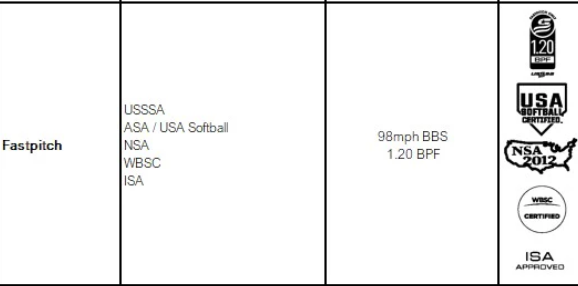
Tip: Always check your league’s official rules before purchasing. A bat that doesn’t comply can lead to disqualification from games.
Choosing a Bat for Comfort and Control
When selecting a bat, comfort and control are more important than power. A beginner may be tempted to buy a longer or heavier bat to hit harder, but this can cause poor mechanics and frustration.
Tips for Comfort:
- Grip the bat lightly, tense hands reduce swing speed.
- Ensure the bat feels balanced and easy to lift.
- Swing the bat multiple times to check for fatigue or strain.
- Consider cushioned grip tape for better control and to prevent blisters.
Tip: A bat that feels good encourages practice and helps beginners develop proper swing mechanics faster.
Breaking in a Bat (Optional)
- Aluminum/alloy bats are ready to use immediately.
- Composite bats may require 50–100 swings to reach optimal performance.
- Avoid soaking bats in water or hitting them with extreme force, this can damage the bat.
Tip: Proper maintenance extends the life of the bat and helps beginners get the most out of their investment.
Common Beginner Mistakes
- Choosing a bat that is too heavy or long.
- Ignoring league rules and buying an illegal bat.
- Focusing on brand or price over fit and comfort.
- Skipping testing swings before purchasing.
- Buying advanced or composite bats before mastering basics.
By avoiding these mistakes, beginners can focus on skill development instead of struggling with equipment.
Learn More
For a complete equipment guide including gloves, balls, helmets, and optional gear, read the pillar post: Everything You Need to Play Softball. Beginner Softball Equipment Checklist: What You Actually Need
Picking the right softball bat involves considering age, size, position, comfort, and league rules. For beginners, the best bat is one that is lightweight, easy to control, and properly sized. Focus on comfort and proper mechanics rather than power. With the right bat, beginners can swing confidently, practice effectively, and enjoy the game from the first at-bat.
Leave a Reply