When people think about softball greatness, they often jump straight to hitting home runs, clutch RBIs, big swings. But the players who truly change the outcome of a game are often the ones who handle the least glamorous job: fielding. A great defender saves runs, shuts down momentum, and brings confidence to the entire team. Fielding isn’t just catching a ball; it’s movement, timing, awareness, and control.
If you want to become a lockdown defender, this guide will walk you through everything that matters from footwork to glove angle, from decision-making to mindset. Defense is an art, and you’re about to master it.
Start in the Perfect Ready Position
Before the ball is hit, the play already begins.
Poor defenders wait for the ball, great defenders prepare for it.
Your ready position should look like this:
- Feet slightly wider than shoulder-width
- Knees bent and athletic
- Weight on the balls of your feet
- Chest forward
- Glove out in front, not hanging near your thigh
- Eyes focused on the batter
This stance allows you to explode forward, backward, or side-to-side without losing balance. Think of your ready position like a spring: coiled, controlled, and ready to launch.

Reading the Ball Off the Bat
The moment the bat makes contact, your brain has half a second to process what’s happening. Reading the ball off the bat is what separates elite defenders from average ones.
What to watch for:
- Bat angle: tells you if it’s a grounder, line drive, or pop-up
- Hitter’s stance: inside/outside pitches change hit direction
- Sound of contact: hard hit = faster reaction needed
- Pitch type: inside pitch often pulls, outside hits often go opposite
When you learn to read early, you don’t chase the ball, you meet it where it’s going.
Footwork: The True Secret to Clean Defense
Bad footwork makes even talented athletes look sloppy. Good footwork makes tough plays look effortless. Whether you’re an infielder or outfielder, your feet determine your success.
Infield Footwork
- Stay low when approaching a ground ball
- Use short, quick steps as you close in
- Angle your body toward your throwing target
- Move through the ball don’t stop at it
- Funnel the ball toward your center before transferring
A clean play starts with stable feet. If your base is off, everything else the glove, the transfer, the throw falls apart.
Outfield Footwork
- First step is always back never forward
- Drop-step instead of turning your whole body
- Take efficient angles, not rounded paths
- Get behind the ball to throw on the move
- Stay balanced when setting up for a catch
Outfield footwork combines speed and control; you’re covering more ground with less movement.

Soft Hands: The Mark of an Elite Fielder
Every great defender has what coaches call soft hands. This doesn’t mean weak hands, it means controlled, relaxed glove work.
To develop soft hands:
- Catch the ball out in front
- Absorb the ball, don’t stab at it
- Keep your glove low-to-high on grounders
- Use two hands when possible but not forcefully
- Practice with short hops and quick exchanges
If your glove snaps or flinches, you lose control. Smooth, quiet glove work wins games.
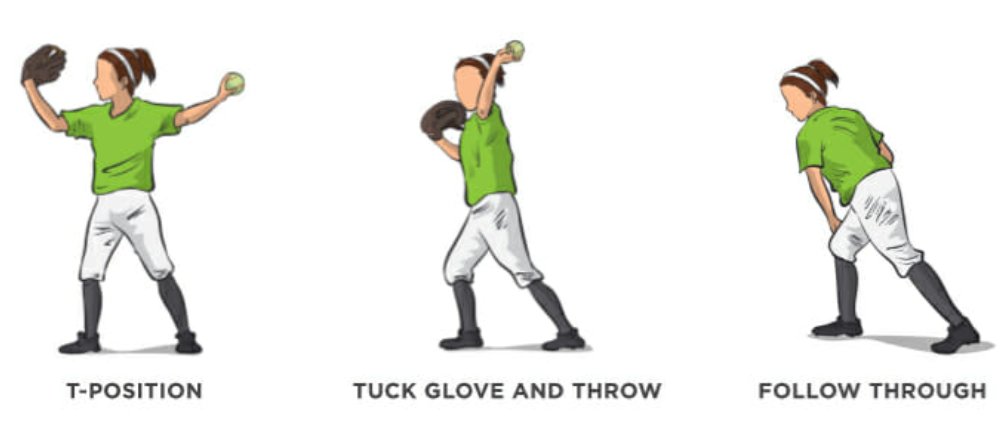
Transfers and Throwing Mechanics
A play isn’t complete when the ball touches your glove it’s complete when the throw hits your target.
Clean Transfers
- Funnel the ball toward your center
- Don’t exchange too early or too far from your body
- Keep your hands close together
- Stay low during the transfer
Strong Throws
- Step toward your target
- Keep your arm path consistent
- Finish with your chest over your front knee
- Throw through the ball, not around it
Accuracy matters more than power. A perfect throw beats a fast one every time.
Getting the Tough Outs
What separates great fielders from decent ones are the plays that aren’t routine.
Backhand Plays
- Keep your glove angled slightly up
- Stay low and drive your legs through the ball
- Don’t force the throw unless you’re balanced
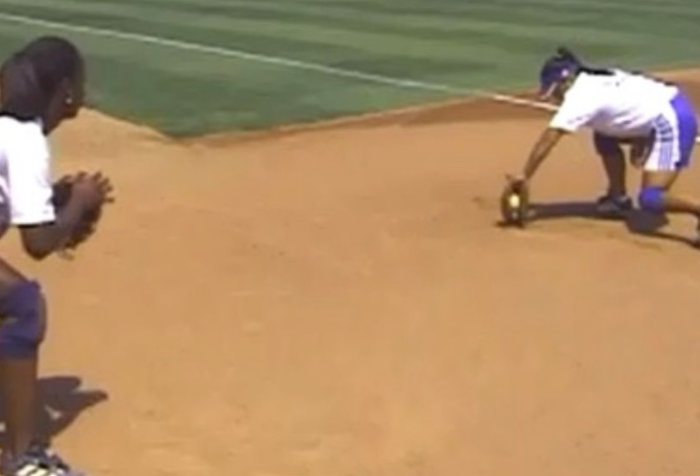
Forehand Plays
- Get around the ball when possible
- Use your throwing-side momentum to set up a clean throw
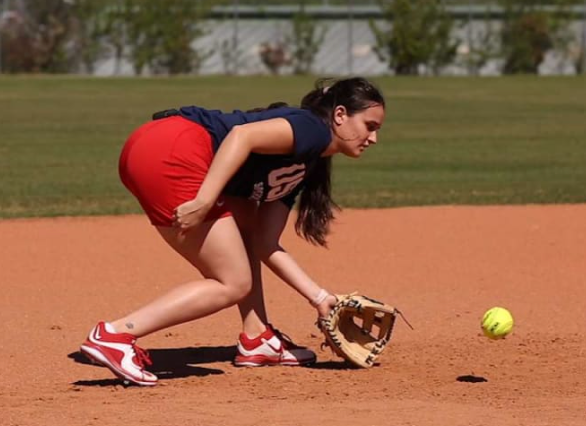
Slow Rollers
- Charge hard
- Scoop with one smooth motion
- Throw on the run
Line Drives & Reaction Plays
- Trust your instincts
- Don’t hesitate your first step matters
Communication and Leadership on the Field
Defense is a team sport. The louder the team, the fewer the mistakes.
Communication includes:
- Calling the ball
- Directing cutoffs
- Alerting teammates about runners
- Communicating bunt or steal coverage
Quiet defenses fall apart. Loud defenses control the game.
Building the Defensive Mindset
Confidence on defense comes from knowing you’re ready for anything.
Your mindset should be:
- Aggressive — always expect the ball
- Focused — every pitch matters
- Prepared — know the next play before it happens
- Fearless — play to win, not to avoid mistakes
A defensive play lasts seconds, but the effects last innings. When you make big plays, you change the entire energy of the game.
Final Takeaway
Fielding is more than a skill, it’s a craft shaped through repetition, awareness, discipline, and real mental strength. Great defenders don’t stand back and hope for big moments; they create them by reading the ball early, trusting their instincts, and committing to every play with confidence. They make the hard plays look routine, save crucial runs, and shift the momentum of a game with one well-timed move. Their presence settles the team, their effort sparks energy, and their consistency builds trust inning after inning. Mastering fielding means sharpening footwork, staying mentally locked in, and practicing with intention until reaction becomes second nature. When you pair proper technique with a competitive mindset, you begin to move with purpose instead of hesitation. Over time, you become the defender coaches rely on in tight situations, the steady voice, the calm presence, and the playmaker who shows up when the game is on the line. Fielding becomes your edge, your identity, and the difference that elevates both you and your team.
Click here