A softball glove is one of the most important pieces of equipment for any player. Choosing the right glove helps beginners catch, throw, and field the ball with confidence. A glove that is too large, too stiff, or made of the wrong material can make learning more difficult, slow reaction times, and frustrate the player. On the other hand, a well-chosen glove supports proper mechanics, improves accuracy, and makes the game more enjoyable.
This guide will explain how to pick the right glove based on age, position, and skill level, as well as tips for breaking in a glove, maintaining it, and avoiding common mistakes that beginners often make.
Why Glove Fit Matters
Glove fit is crucial for developing proper fielding habits. A glove that fits correctly allows the hand to move naturally, helps the glove close quickly around the ball, and encourages proper throwing mechanics.
- Too large: Gloves that are too big can make catching awkward and slow your reaction time. Beginners may struggle to close the glove, and this can lead to dropped balls and frustration.
- Too stiff: Gloves that are too stiff require a long break-in period. This can discourage beginners from practicing, and early struggles may reduce enjoyment of the game.
- Correct fit: A glove that fits well allows the player to open and close it easily, improving confidence and consistency.
Tip: Always try on a glove before buying. Make sure the player can comfortably open and close the glove with minimal effort. This ensures better control when fielding grounders and catching fly balls.
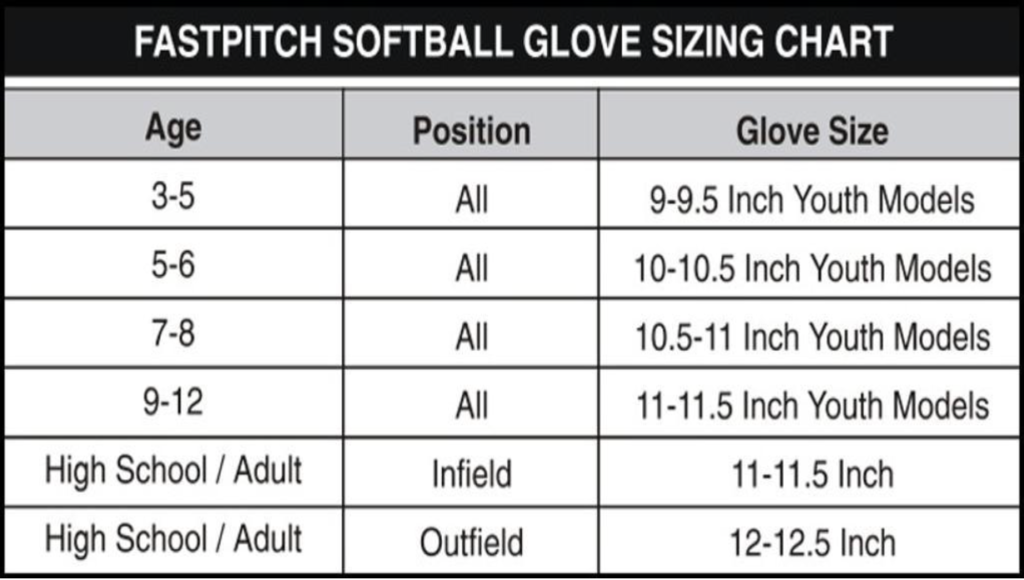
Glove Sizes by Age and Position
Softball gloves come in different sizes for youth, teen, and adult players. Sizes also vary depending on the player’s position. Choosing the right size ensures the player can handle the ball effectively and develop proper fielding habits.
Youth Players:
- Ages 5–8: 9–10 inches
- Ages 9–12: 10–11 inches
Teen/Adult Players:
- Infield gloves: 11–12 inches
- Outfield gloves: 12–13 inches
- Pitchers: 11–12 inches (some prefer closed-web designs to hide grip)
- Catchers: 32–34 inches mitt (specialized design)
Position-Specific Notes:
- Infielders: Smaller gloves allow faster ball transfers and quick throws.
- Outfielders: Larger gloves with deep pockets make it easier to catch fly balls and cover more ground.
- Pitchers: Closed-web gloves help hide grip and pitch type from the opposing team.
- Catchers: Catcher’s mitts are specially padded with closed webbing to protect hands from repeated fast pitches.
Glove Materials
Softball gloves are typically made from either synthetic materials or leather, each with its own advantages.
- Synthetic gloves: Lightweight, affordable, and require minimal break-in. Ideal for beginners who need an easy-to-use glove to start practicing quickly.
- Leather gloves: More durable, provide better feel and control, but require a longer break-in period. These gloves last longer and improve performance over time.
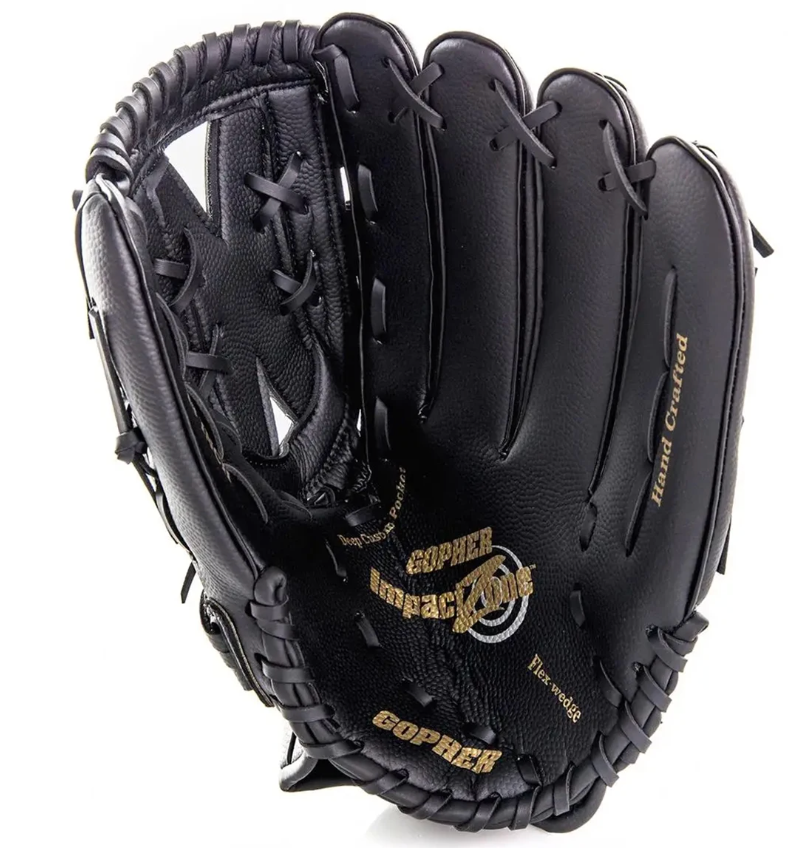
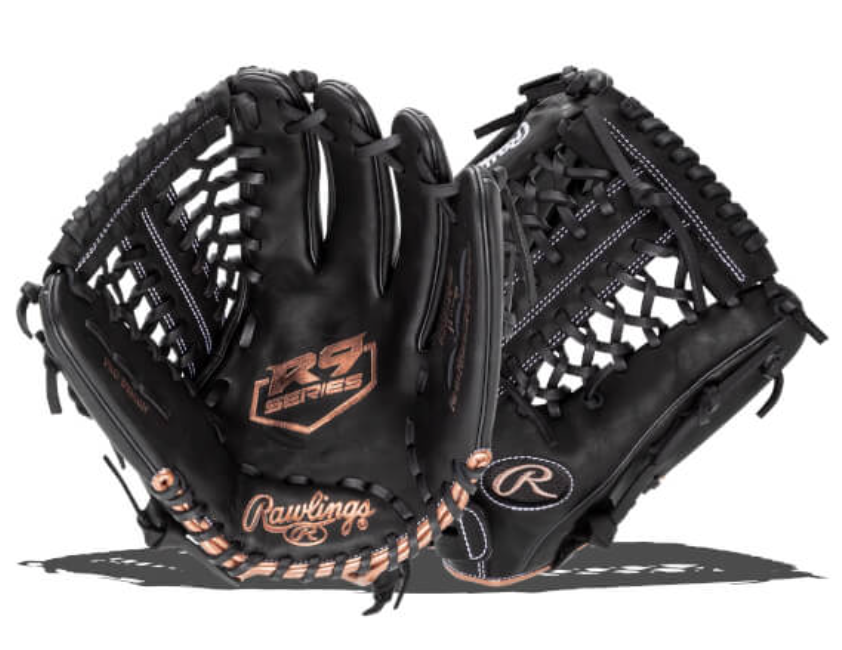
Tip: Beginners often do best with synthetic gloves for easier handling. As skills improve, players can upgrade to a leather glove for better durability and feel.
Glove Webbing Styles
Gloves also come with different web styles, which affect how the ball is caught and controlled:
- Closed web: Good for pitchers to hide grip from the batter.
- Open web: Helps infielders see the ball quickly through the glove and improves transfer speed.
- I-web or H-web: Common for infielders because they allow quick ball transfers while maintaining pocket depth.
- Trapeze web: Popular for outfielders as it provides a deeper pocket for catching fly balls.
Tip: Choose a web style based on position and comfort. Beginners often prefer simpler designs that make catching and ball control easier.
Breaking In a Glove
A new glove needs a break-in period to become flexible and game-ready. Here are safe ways beginners can do it:
- Play catch: The most effective method is regular use during practice. This helps shape the glove naturally.
- Glove mallet or ball: Gently pounding the pocket softens the leather and creates a natural pocket.
- Glove oil or conditioner: Apply sparingly to leather gloves to maintain flexibility and prevent cracking.
Tip: Avoid soaking a glove in water or putting it in the oven—this can permanently damage the glove.
Common Beginner Mistakes
Beginners often make mistakes when choosing or caring for a glove. Avoid these pitfalls:
- Choosing the wrong size: Too large or too small gloves hinder learning and cause frustration.
- Buying high-end gloves too early: Expensive gloves are not necessary for beginners. Focus on comfort and fit first.
- Ignoring position-specific needs: Infield and outfield gloves are not interchangeable.
- Skipping break-in: A stiff glove can make catching discouraging. Use gentle methods to soften it.
Caring for Your Glove
Proper maintenance extends the life of a glove and improves performance:
- Store in a cool, dry place to prevent mold or cracking.
- Keep a ball in the pocket when not in use to maintain shape.
- Apply glove conditioner occasionally to prevent drying and cracking.
Tip: Regular care ensures the glove maintains flexibility and a proper pocket for catching the ball.
Learn More
For a complete equipment guide including bats, balls, helmets, and optional gear, read the pillar post: Everything You Need to Play Softball. Beginner Softball Equipment Checklist: What You Actually Need How to Choose the Right Softball Bat for Your Age, Size, and League
The right glove makes learning softball easier, safer, and more enjoyable. Beginners should focus on fit, comfort, flexibility, and position-specific design, rather than brand or cost. With a glove that fits properly and is broken in correctly, players can develop proper fielding mechanics, increase confidence, and enjoy the game from day one.
Leave a Reply