Catching in softball is not just another position, it’s the heartbeat of the defense. Catchers control the flow of the game, manage the pitching staff, read hitters, stop runners, and make plays that most people never notice. If you want to become the kind of catcher coaches rely on in pressure situations, this guide is your blueprint.
The Role of a Catcher
A catcher is the only player who sees the entire field. Your responsibilities go far beyond receiving pitches.
Catchers:
- Set the tone for the pitcher
- Keep runners honest
- Execute throw-downs
- Manage game tempo
- Call pitches (or help guide them)
- Communicate defensive coverages
- Block everything in the dirt
- Stay mentally locked in every pitch
You are the leader the team looks to when the game gets tight.
Mastering the Catching Stance
Your stance determines your mobility, receiving angles, and blocking power. Every elite catcher masters three stances:
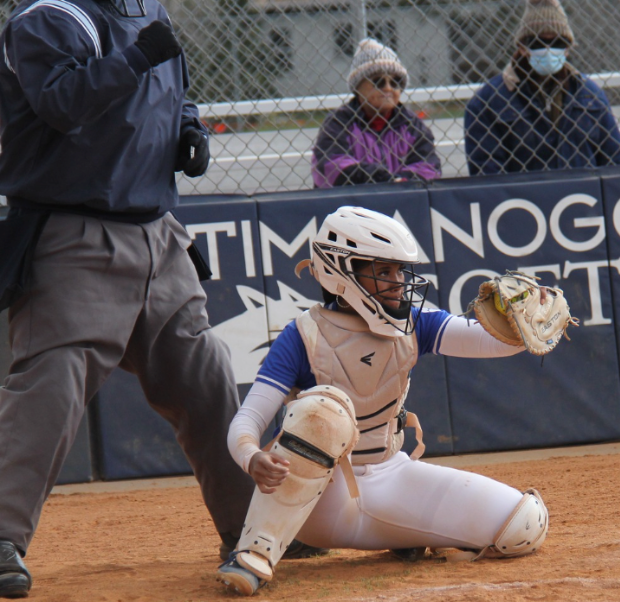
Primary Stance (less than 2 strikes, no runners)
Comfortable, relaxed, great for receiving.
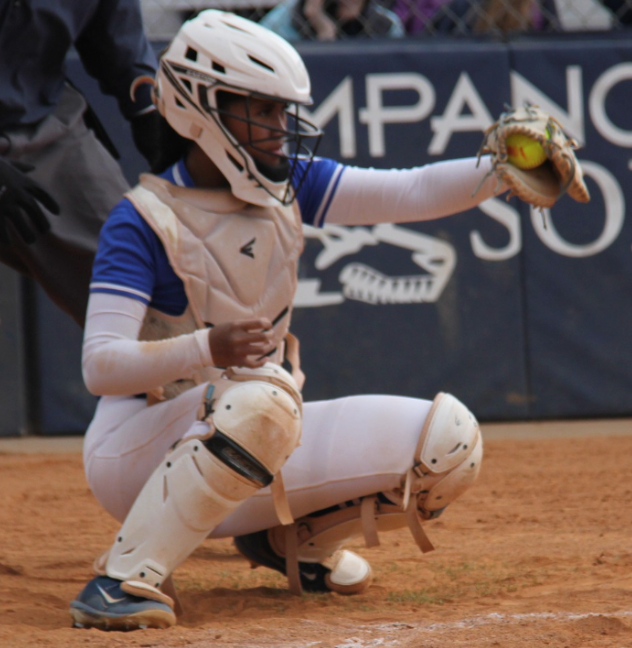
Secondary Stance (runners on, 2 strikes)
More athletic, ready to block or throw.
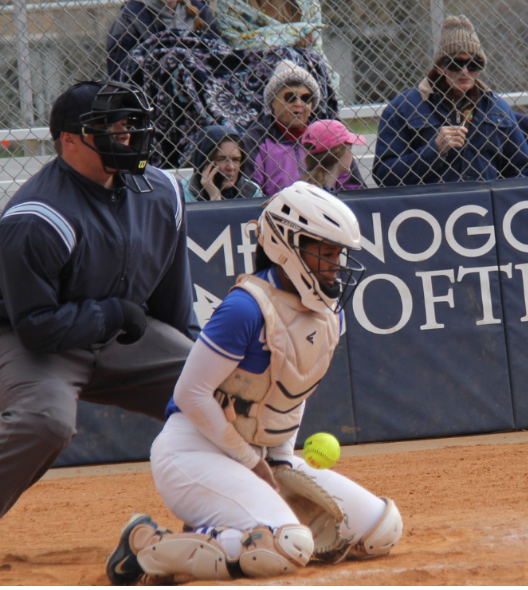
Blocking Stance
Knees down, chest forward, glove angled, but only after the ball drops.
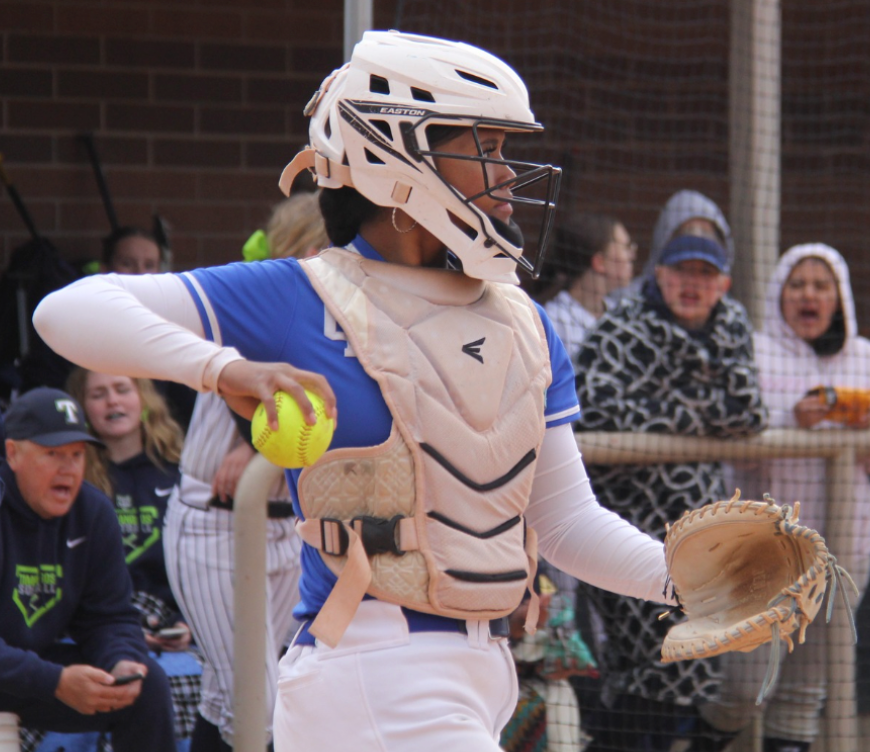
Receiving: Quiet Hands Win
Catching the pitch is one thing, receiving it well is another. The best catchers make borderline pitches look like strikes with small, controlled movements.
Keys to strong receiving:
- Catch the ball with soft hands
- Move the glove quietly, not dramatically
- Catch the ball out front
- Keep your wrist firm
- Avoid pulling pitches, present them naturally
Blocking: Your Wall Behind the Plate
Blocking is how you earn respect from pitchers. When they trust you, they throw better.
Technique for perfect blocking:
- Drop quickly by driving your knees down
- Keep your chest tall and angled forward
- Tuck your chin
- Create a “soft wall” with your arms
- Absorb the ball, don’t stab at it
- Keep rebounds close for quick recovery
Your goal isn’t to make it look pretty, your goal is to stop the ball every single time.
Throwing Mechanics & Controlling the Runners
A catcher must have efficient footwork and quick transitions. A slow exchange is worse than a weak throw.
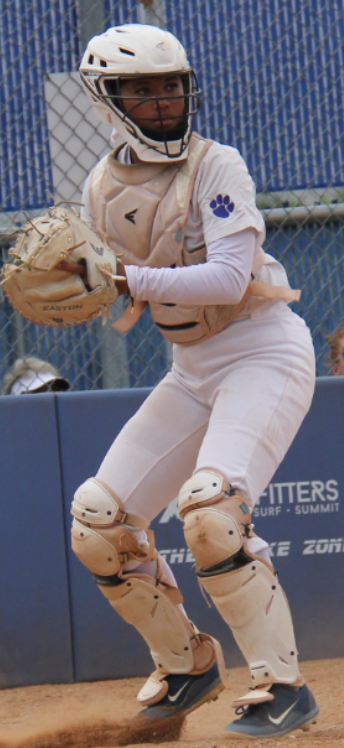
Steps for elite throws:
- Gain ground with your right foot
- Replace your feet quickly
- Keep your arm short and fast
- Step directly toward your target
- Finish your throw strong
Game IQ and Pitch Calling
Catching is as much mental as physical. Understanding the game helps you stay ahead of hitters.
You should learn to read:
- Hitters’ stances
- Swing timing
- Pitcher strengths & weaknesses
- Count tendencies
- Base-running aggression
Smart catchers can predict plays before they happen, and shut them down.
Leadership Behind the Mask
Catching requires toughness and communication. You set the team’s energy.
Leadership traits of elite catchers:
- Loud, clear communication
- Confidence under pressure
- Encouraging pitchers during struggles
- Directing infield alignments
- Staying calm in chaos
A catcher isn’t just a position, it’s the general of the defense.
Mental Toughness: What Separates the Good from the Great
Being a catcher tests your physical and mental limits. You’re involved in every pitch, every play, every inning.
Build mental toughness by:
- Staying focused
- Maintaining positive body language
- Recovering quickly from mistakes
- Demanding high standards
- Trusting your preparation
Elite catchers don’t crack under pressure, they thrive in it.
Final Message
Softball fielding isn’t just about catching a ball, it’s about control, awareness, and confidence. Great defenders don’t wait for the play to happen; they anticipate it. They read the ball off the bat, move with purpose, and trust their mechanics even in high-pressure moments. When your footwork is sharp, your glove is quiet, and your mindset is locked in, you do more than make routine plays, you become the kind of defender who steals hits, shuts down innings, and gives your team momentum. Fielding is a craft built through repetition, discipline, and courage. And when you bring all of those together, you transform from a player who reacts to a player who dominates the field.