Starting softball for the first time is exciting, but figuring out what equipment you need can feel overwhelming. From gloves to bats to helmets, beginners are faced with dozens of options, many of which are confusing or unnecessarily expensive. Parents, teens, and adult newcomers often ask: “What do I really need to get started?”
The good news is that softball does not require professional-level equipment to begin. With the right basic essentials, beginners can play safely, improve quickly, and enjoy the game without feeling frustrated.
This guide covers everything: must-have gear, safety equipment, optional add-ons, and what you can skip. By the end, you’ll have a clear understanding of what to buy, how to choose it, and how to prepare for your first season.
Why Having the Right Softball Equipment Matters
The right softball equipment is important for three key reasons:
- Safety: Helmets protect heads, cleats prevent slipping, and gloves absorb impact from balls.
- Performance: Properly sized gloves and bats improve mechanics and reduce frustration.
- Confidence: Comfortable gear allows players to focus on skills instead of worrying about equipment.
Using equipment that doesn’t fit can lead to injuries, poor technique, and a negative experience. For beginners, the right gear is essential for developing skills and building confidence from day one.
It is easy to assume that “a bat is a bat,” but in fastpitch softball, equipment is highly specialized. A glove that is too heavy will cause a young player to drop their elbow when throwing. A bat that is too long will ruin their swing plane. Proper equipment helps build [proper throwing form] rather than fighting against it. When a player knows their face mask protects them or their glove will actually close on the ball, they stop worrying about the gear and focus on the game.
The Absolute Essentials: Must-Have Softball Equipment
These items are required for practice and games.
Softball Glove
The glove is the cornerstone of any player’s equipment. Tips for choosing one:
- Youth gloves: Smaller and lighter for ages 5–12.
- Position matters: Infielders use 11–12 inch gloves; outfielders 12–13 inches.
- Materials: Synthetic gloves are beginner-friendly, while leather lasts longer but requires break-in.
- Tip: Make sure the glove closes comfortably around the ball.
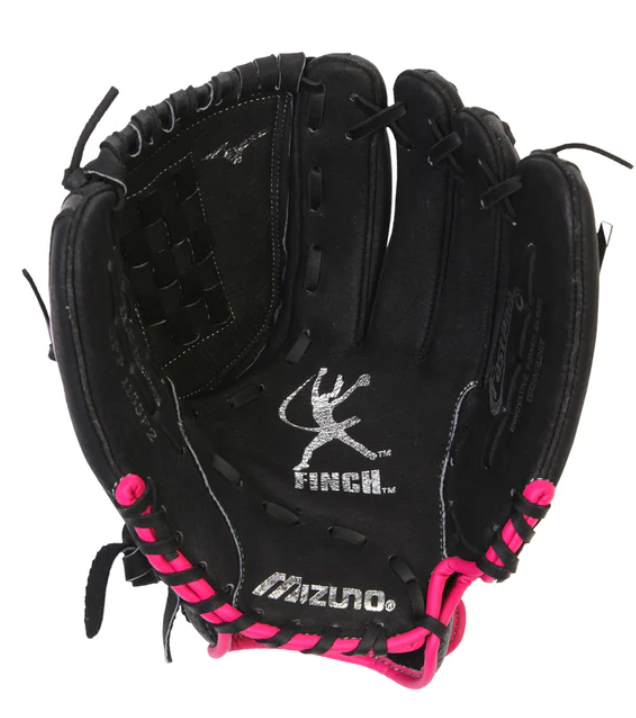
Deep Dive: Choosing the Right Glove For beginners, the biggest mistake is buying a glove that is too large or too stiff.
- Understanding Sizing: Softball gloves are measured from the heel (bottom) to the top of the index finger.
- 6U – 8U (Ages 5-8): Look for 10″ to 11″ gloves.
- 10U – 12U (Ages 9-12): Look for 11.5″ to 12″ gloves.
- 13U+ (Teens/Adults): Infielders typically use 11.75″–12″; Outfielders use 12.5″–13″.
Best Brands for Beginners:
- Mizuno Prospect Series: Mizuno is the gold standard for youth gloves. The Prospect series features “PowerClose” technology, a notch in the palm that acts like a hinge. It helps young players squeeze the glove shut, a major hurdle for beginners.
- Rawlings R9: The R9 series offers a “soft hands” construction. It is 80% broken in at the factory, meaning you don’t have to spend months oiling and pounding it before it’s game-ready. It fits the narrower hand of a female athlete better than baseball equivalents.
- Wilson A500:Extremely lightweight. For a smaller player who complains that leather gloves feel “heavy,” the A500 is an all-leather glove that feels featherlight, preventing wrist fatigue.
Pro Tip: Avoid buying a glove that is “room to grow.” A glove that is too big is impossible to control. If the player cannot touch the ball with their glove, they can’t learn [how to field ground balls] correctly.
Softball Bat
The right bat is crucial for developing proper swing mechanics.
- Length and weight: Lighter bats allow faster swings and better control.
- Material: Aluminum/alloy bats are ideal for beginners; composite bats are optional.
- League rules: Check certification and size restrictions.
- Tip: Test the bat by swinging it at home or in-store to ensure it feels comfortable.
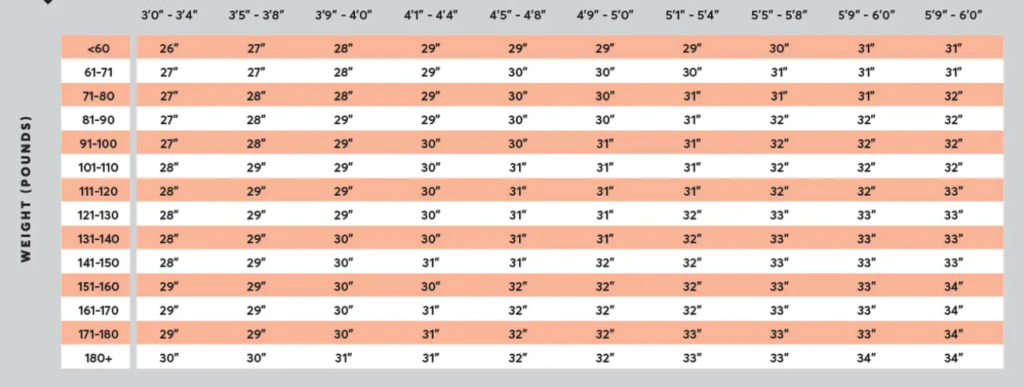
Deep Dive: Sizing and Drop Weight Buying a bat is arguably the most confusing part of the process. You need to balance Length, Weight, and Drop.
- The “Drop” Weight Explained: You will see numbers like -10, -11, or -12 printed on bats. This is the “drop.”
- Formula: Length (inches) – Weight (ounces) = Drop.
- A 30-inch bat that weighs 20 ounces is a -10 (Drop 10).
- A 30-inch bat that weighs 18 ounces is a -12 (Drop 12).
- Beginner Rule of Thumb: Look for a higher drop number (-11, -12, or -13). This means the bat is lighter and easier to swing. A -10 is usually for stronger, more experienced players.
- Sizing the Bat: To find the right length, use the chest test. Have the player stand up straight in their cleats. Place the knob of the bat in the center of their chest, extending the barrel out to the side. The player should be able to reach out and cup the end of the barrel with their fingertips. If they can’t reach it, the bat is too long.
Best Brands for Beginners:
- Easton (Topaz): Easton dominates the softball market. These entry-level alloy bats are incredibly balanced and durable. They offer a -11 drop, which is the “sweet spot” for most new players learning their [batting stance].
- Louisville Slugger ( Proven): The “Proven” model is a one-piece composite design often found at an entry-level price point. It has a massive sweet spot, which makes it more forgiving when a beginner misses the ball.
- DeMarini (Prism): DeMarini bats are known for their “pop.” While often pricier, you can find older models like the Zenith that offer a dual-wall construction, giving a beginner a bit more power without the vibration that hurts the hands.
Softball (Balls)
- Practice balls: Softer, easier to catch.
- Game balls: Firmer, used during official games.
- Tip: Beginners can start with practice balls to build confidence before using game balls.
Expert Insight: While the coach provides team balls, having your own for home practice is incredibly helpful.
- Sizing: Ensure you buy the correct size: 11-inch balls for youth (usually 10U and under) and 12-inch balls for older leagues.
- Recommendation: Consider buying “Softie” training balls for backyard practice. They prevent broken windows and are softer on hands that are learning to catch.
Batting Helmet
Helmets are required for safety. Key points:
- Must fit snugly without sliding.
- Face guards recommended for younger players.
- Adjustable straps help fit growth in youth players.
Deep Dive: Safety Features & Brands You cannot play without one. Modern helmets are sophisticated pieces of safety engineering.
- Key Features to Look For: Ensure the helmet has the NOCSAE stamp on the back. This certifies it meets safety standards for high-impact balls. In softball, face guards (the metal cage) are almost universally required for youth batters and highly recommended for adults.
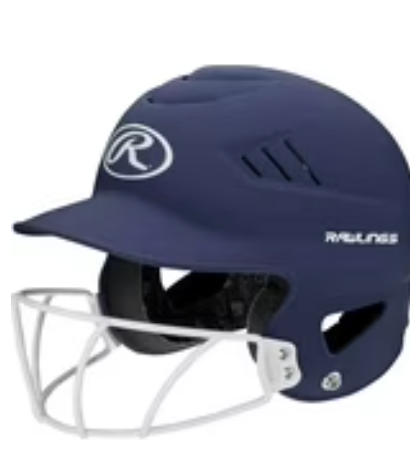
Best Brands for Beginners:
- RIP-IT Model-Vision Pro:This is widely considered the best helmet for female athletes. It is designed specifically for ponytails (blackout technology), offers a wider field of view so the bars don’t block the player’s sight, and is lightweight.
- Schutt Model-AiR:Schutt helmets use inflatable air liners (in higher-end models) or very soft foam that contours to different head shapes comfortably.
- Easton Model-Ghost:Matches the popular bat line. These helmets have excellent venting systems to keep players cool during hot summer tournaments.
Cleats
Cleats improve traction and prevent slipping on dirt and grass fields.
- Youth leagues: Molded cleats are most common.
- Older leagues: Metal cleats may be allowed.
- Tip: Ensure the correct fit to prevent blisters and injuries.
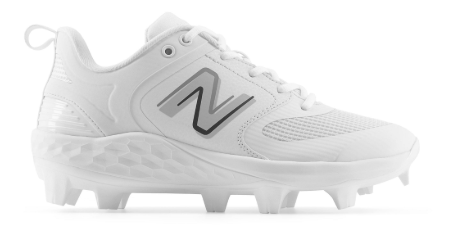
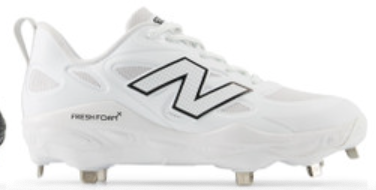
Deep Dive: Molded vs. Metal Softball is played on dirt and grass. Running in sneakers is dangerous because you will slip, and most leagues actually forbid standard tennis shoes for safety reasons.
- Molded: Required for almost all youth leagues (12U and under). They are comfortable and versatile.
- Metal Spikes: Generally only allowed in 14U, High School, and College. Beginners should strictly stick to molded cleats to avoid injury to themselves or others sliding into bases.
Best Brands for Beginners:
- Ringor: Ringor only makes softball cleats (not baseball). They are famous for durability, specifically reinforcing the toe area where pitchers drag their feet. If your child is learning [how to pitch], buy Ringor to avoid ruining shoes in two weeks.
- New Balance:Comfort is king. New Balance is one of the few brands that offers wide sizes. If a player has wide feet, these are the only options that won’t cause blisters.
- Under Armour:These fit like sneakers. They offer great ankle support without feeling like a heavy boot, making them excellent for base running.
Batting Gloves
- Improve grip and prevent blisters.
- Helpful for frequent practice sessions.
- Snug fit without bunching is ideal.
Best Brands for Beginners:
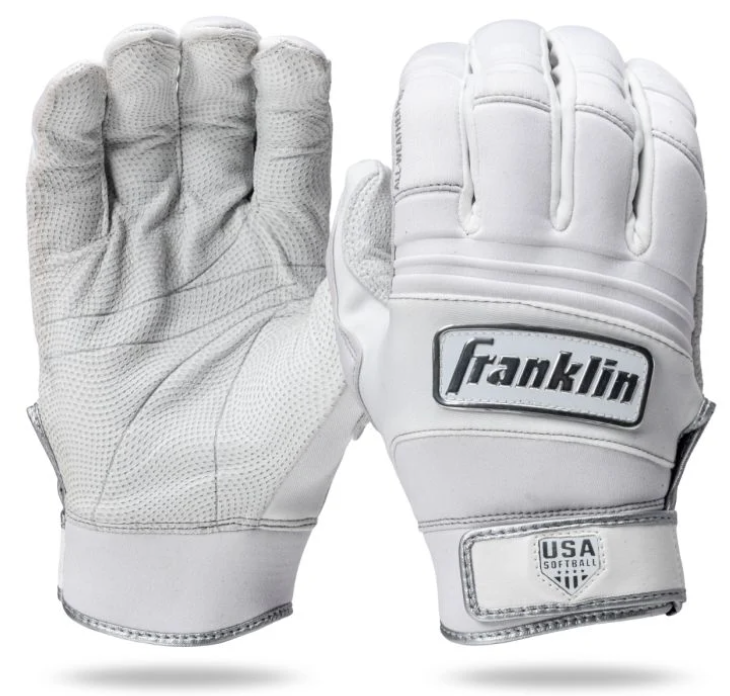
- Franklin:The standard for durability. They use a “floating thumb” technology that increases flexibility.
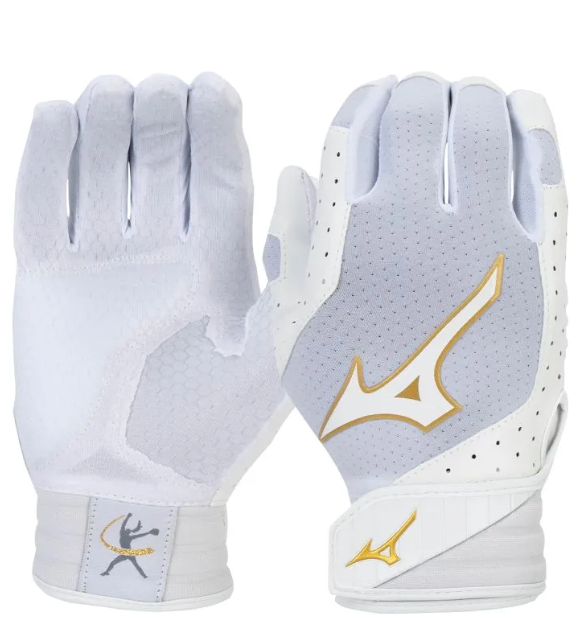
- Mizuno :Designed with extra padding on the palm specifically to reduce vibration sting for younger players.
Softball Bag
A good bag keeps equipment organized and portable.
- Backpack-style bags work well for beginners.
- Multiple compartments help separate gloves, bats, and shoes.
- Padded straps improve comfort.
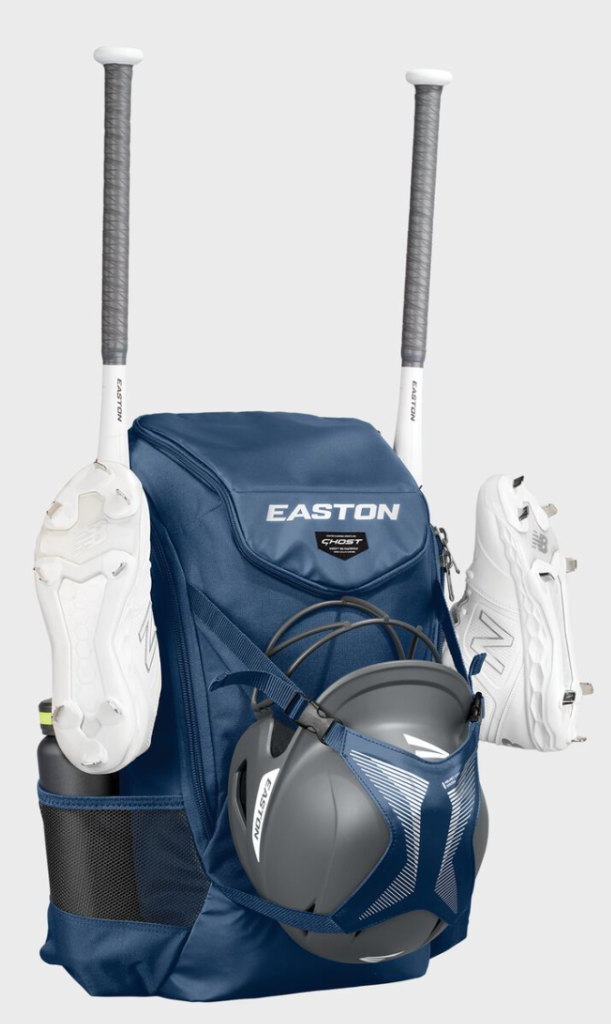
Recommendation: Look for bags from Easton or Boombah. These brands make the most durable backpacks with separate vented compartments for cleats (so your helmet doesn’t smell like feet). Look for a “fence hook” feature, which allows you to hang the bag in the dugout rather than leaving it in the dirt.
Safety and Protective Gear
In addition to helmets and cleats, consider:
- Sliding shorts: Protect legs during slides.
- Fielding face masks: Recommended for infielders near home plate.
- Glove conditioner: Keeps leather gloves flexible and soft.
- Tip: Optional items can be added after mastering the essentials.
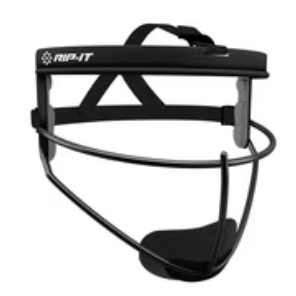
Deep Dive: The Fielder’s Mask Ten years ago, defensive face masks were rare. Today, they are essential. A defensive face mask is a metal or plastic cage worn by fielders (especially pitchers, first base, and third base) to protect their teeth and nose from bad hops.
- Why You Need It: Softball infields are smaller than baseball infields. The reaction time is much shorter. A mask removes the fear of the ball hitting the face, which allows beginners to get their glove down and field the ball correctly rather than flinching.
- Best Brands: RIP-IT: offers steel bars spaced far enough apart that they don’t obstruct vision. Schutt uses titanium or carbon steel, making them incredibly light so you barely feel it on your face.
Apparel and Comfort Gear
- Uniform pants, socks, and belts allow freedom of movement.
- Comfortable underlayers help prevent chafing during long games.
- Tip: Avoid tight or restrictive clothing that hinders running, catching, or throwing.
Optional but Helpful Add-Ons
Once the essentials are in place, optional items can enhance comfort, safety, and performance:
- Sliding shorts for leg protection.
- Bat grip tape for improved control.
- Finger sleeves or tape for beginners with sensitive fingers.
- Glove softeners or conditioners for leather gloves.
What Beginners Do Not Need Yet
- Expensive composite bats.
- Multiple gloves or specialized gloves.
- Professional-grade accessories.
- Custom equipment.
Focus on basics first; advanced gear can come later as skills improve.
Beginner Softball Equipment Checklist: Categorized
Shopping for equipment is easier when you break it down by function. Instead of running around the store aimlessly, focus on these four specific categories to ensure you have the “Must-Haves” before moving on to the “Nice-to-Haves.”
Category 1: The Game Essentials
These are the items used to actually play the game.
- Fielding Glove: Size 10″-11″ (ages 5-8), 11.5″-12″ (ages 9-12). Check: Ensure the player can squeeze it shut.
- Softball Bat: Measure knob to chest, fingers should cup the barrel end. Material: Alloy is best for beginners.
- Practice Softballs : Size 11″ (Youth) or 12″ (Standard).
Category 2: Critical Safety Gear
- Batting Helmet: Must have a face guard attached and be NOCSAE certified. Fit: Snug; shake head “no” and it shouldn’t wobble.
- Fielder’s Face Mask: Highly recommended for pitchers and infielders.
- Sliding Shorts: Worn under uniform pants. Look for light padding on the hips/thighs to prevent “strawberries” while sliding
Category 3: Footwear & Apparel (The Wearables)
- Cleats: Molded plastic. Metal is illegal in most youth leagues.
- Batting Gloves: Prevents blisters and reduces bat vibration sting.
- Practice Pants: Essential for practicing sliding; shorts offer zero leg protection.
Category 4: Logistics
- Equipment Bag: Backpack style is best for youth.
- Water Bottle: Dugouts get hot; a large bottle is essential.
Where to Buy Softball Equipment
- Local sporting goods stores: can try equipment in-store. Great for trying on helmets and cleats.
- Online retailers: convenient for beginner sets. Sites like JustBats or Dick’s Sporting Goods often have wider inventory.
- Secondhand gear: budget-friendly and often in great condition. Look for “Play It Again Sports” or local Facebook Marketplace listings. High-end gloves and bats can often be found for 50% off.
- League equipment swaps:ideal for youth players. Many leagues host swaps before the season starts where older players donate gear that no longer fits.
- Tip: Always check sizing and league rules before purchasing.
Tips for Parents and Beginners
- Start simple: Don’t buy every accessory at once.
- Prioritize fit over brand: Comfort is more important than expensive logos. A $40 glove that fits perfectly is infinitely better than a $200 glove that falls off the hand.
- Practice with essentials first: Gloves, bat, and balls are enough for the first few weeks.
- Check gear regularly: Ensure helmet straps, cleats, and gloves are in good condition.
How to Make Your Gear Last: A Maintenance Guide
Softball equipment is an investment. If you treat it well, a good glove can last for years and a bat can survive multiple seasons. If you neglect it, you’ll be back at the sporting goods store in six months.
1. Bat Care. The Golden Rule: Temperature Matters: The biggest enemy of a softball bat is extreme temperature.
- Don’t Leave it in the Car: Extreme heat can damage the epoxy inside composite bats. Extreme cold makes the materials brittle and prone to cracking. Always bring your bat inside the house.
- Rotate the Barrel: When hitting off a tee, rotate the bat a quarter-turn in your hands after every few swings. This prevents the bat from getting dented on just one side.
2. Glove Maintenance: A flat glove is a useless glove. You want to maintain the “pocket”—the round area where the ball sits.
- Store with a Ball: When the glove is in the bag, always keep a softball inside the pocket. You can wrap a large rubber band or a glove wrap around it to hold it shut.
- Dry it Properly: If you play in the rain, never put your glove in the dryer. Wipe it off with a towel and let it air dry.
3. Cleat Cleaning After a game on a muddy field, take the cleats off and clap the soles together firmly to knock off large chunks of dirt. Open the tongues wide and let them air dry.
Starting softball doesn’t require perfection, it requires participation. The right equipment ensures safety and confidence, but consistent practice and effort are what lead to improvement. A player who is comfortable in their cleats and confident in their helmet is a player who is ready to have fun.
Once you have your gear, the next step is breaking it in and getting moving. The dirt is waiting to get out there and play!
Learn more here: