The Science of the Fastpitch Swing
In the modern era of fastpitch softball, the game is faster than ever. Pitchers are throwing harder, movement is sharper, and the reaction time for a hitter has shrunk to roughly 0.4 seconds. To compete at a high level—whether you’re playing youth ball or aiming for a collegiate scholarship—relying on natural talent isn’t enough. You must prioritize mastering softball hitting mechanics.
At Iosefo Hits, we approach hitting as a high-stakes physics problem. Hitting a round ball with a round bat is one of the hardest tasks in sports. To do it consistently, you need a repeatable, efficient, and explosive swing. This 2,000-word guide breaks down the kinetic chain, the equipment physics, and the mental toughness required to dominate the diamond. Understanding the “why” behind the “how” is what separates good hitters from elite ones.
Stop guessing why you’re missing. Get a professional breakdown of your mechanics today!
The Foundation: Stance, Balance, and Grip
Every skyscraper needs a solid foundation; your swing is no different. If your setup is flawed, your execution will be inconsistent.
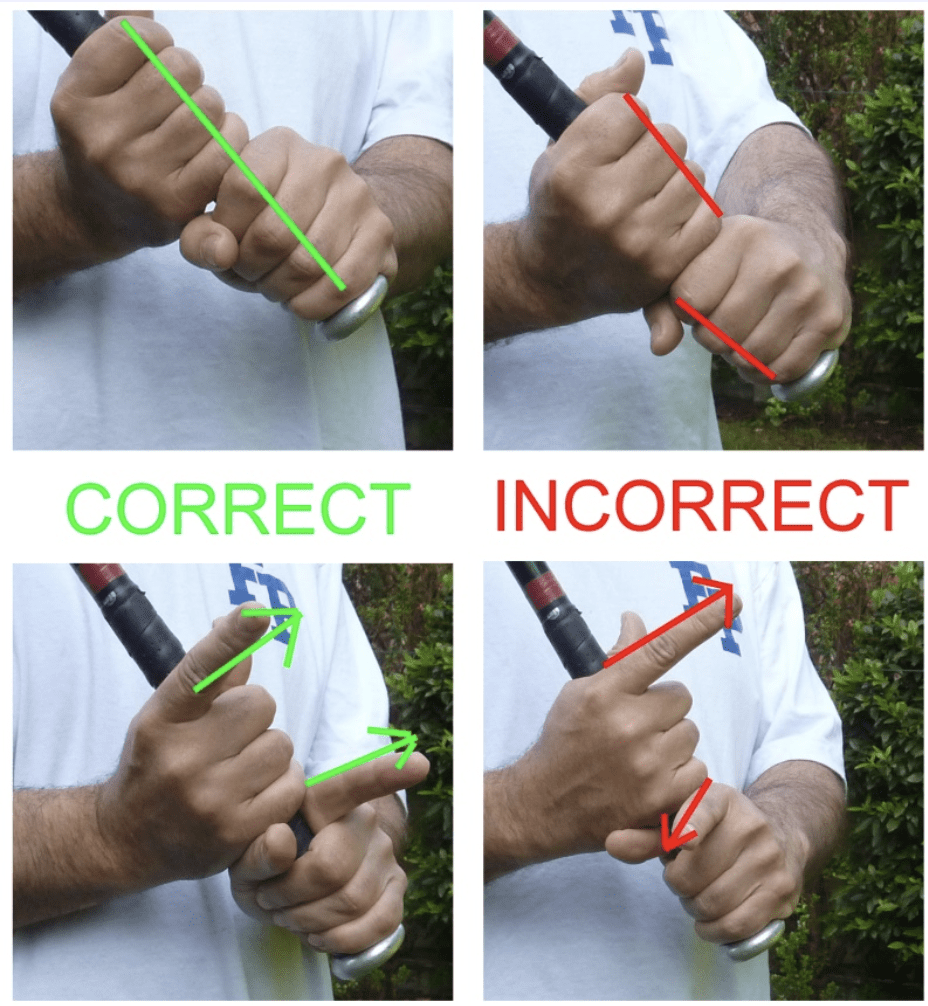
The “Knocking Knuckle” Grip
The way you hold the bat dictates how much “whip” you can generate. Many players hold the bat deep in their palms, which “locks” the wrists and creates unnecessary tension. This tension travels up the forearm and into the shoulders, slowing down the entire kinetic chain.
- The Technique: Place the bat in your fingers, not the meat of your hand. Line up your knocking knuckles (the ones you use to knock on a door).
- The Physics: This alignment allows the wrists to roll naturally over the ball at contact, increasing bat speed. It also allows for a “looser” swing, which is essential for reacting to off-speed pitches. When your wrists are fluid, you can make the micro-adjustments needed to hit a ball that moves late in the zone.
Establishing an Athletic Base
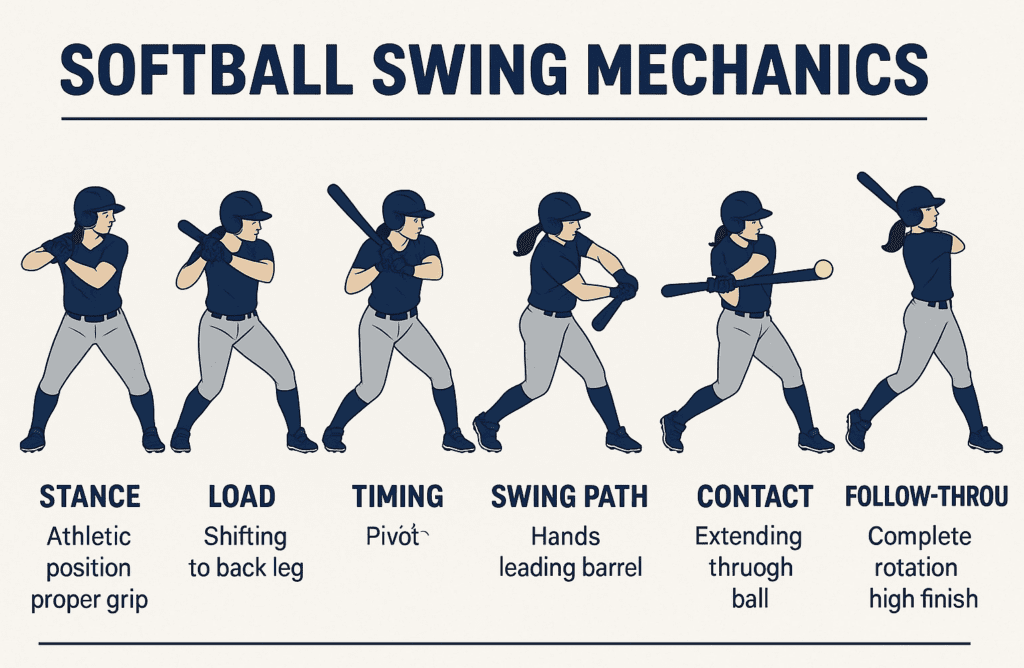
Your feet should be slightly wider than shoulder-width. Your weight should be centered on the balls of your feet, never back on your heels. Think of yourself as a shortstop ready to move in any direction. Avoid standing too upright, as this prevents the glutes from engaging. You want a slight “hinge” at the hips—this is where your core power begins.
The Load Phase: Storing Potential Energy
The “load” is a quiet coiling of energy. Think of it as pulling back a bowstring before releasing the arrow. If the load is too violent, it disrupts your vision; if it’s too slow, you’ll be late on the fastball.
The Negative Move and Internal Rotation
As the pitcher begins her windup, shift 60% of your weight to your back leg. This is a “loading” of the glute and hip.
- Coach’s Cue: “Sit into your back pocket.” You should feel the tension building in your rear leg like a coiled spring.
- Troubleshooting: If your knee drifts outside your back foot, you are “swaying.” Keep your weight on the inside of your back foot to maintain a powerful launchpad.
The Hand Load (Separation)
While your lower body moves forward during the stride, your hands should move slightly back and up toward the catcher’s shoulder. This creates “separation.” Imagine a rubber band being stretched between your front foot and your hands. The greater the separation you can maintain without losing balance, the higher your eventual exit velocity.
The Stride and Timing: The Rhythm of the Box
Timing is the soul of hitting. The stride is the bridge between your load and your launch. It is the moment where you commit to the pitch.
The “Eggshell” Stride
Your front foot should land softly. Imagine you are stepping on an eggshell. You want to touch the ground without breaking it until you commit to the swing. This “toe-to-heel” landing allows you to stay adjustable for off-speed pitches. If you “stomp” your front foot, your head will bounce, making the ball appear to jump in the air.
- Timing the Pitcher: Start your load when the pitcher’s arm reaches 12 o’clock. Land your stride when her arm reaches the 6 o’clock release point.
Common Mistake: Lunging
Many hitters lunge forward with their upper body. When your head moves forward, your eyes have to track a moving target from a moving platform. This is nearly impossible against elite pitching. Keep your “nose behind your toes” to maintain a stable visual platform throughout the entire stride phase.
The Launch: Turning Physics into Power
Once the front foot lands, the kinetic chain begins. This is where energy is transferred from the ground, through your legs, and into the bat.
The Kinetic Chain Sequence
- The Hips: Your back hip must rotate first, pulling the rest of the body.
- The Core: Your torso follows, creating “torque”—the rotational force that generates power.
- The Hands: Your hands stay tucked close to the shoulder (staying “inside the ball”).
Extension and the “Power V”
After contact, you must drive through the ball. Many hitters stop their swing at contact, but elite hitters focus on extension. Your arms should form a “V” shape pointing toward the pitcher. This ensures you have transferred all possible energy into the softball.
Ready to turn these mechanics into muscle memory? Let’s work together 1-on-1!
Adjusting for Movement Pitches: Rise, Drop, and Change
Mastering softball hitting mechanics means being able to adjust to the rise, drop, and changeup. You cannot use the same swing path for every pitch.
Conquering the Riseball
The riseball is designed to make you swing underneath it. The spin of the ball causes it to defy gravity slightly, ending up higher than your brain expects. To counter this, keep your hands above the ball. Focus on hitting the “top half” of the ball.
- The Adjustment: Slightly shorten your stride to keep your center of gravity higher. If your barrel gets below your hands, the riseball will win every time.

Staying Back on the Changeup
The changeup pulls you forward too early, forcing you to hit with just your arms.
- Coach’s Cue: “Wait for the ball to get to your front knee.” Use your core strength to “hold” your load for an extra half-second. It’s better to be slightly late on a changeup than to be way out in front.
Composite vs. Alloy
In 2026, the tech in your bag matters almost as much as your mechanics.
The Trampoline Effect
- Composite Bats: These have a “trampoline effect” caused by carbon fiber layers. They have a larger sweet spot and are designed to flex more upon contact. This flex helps higher-level players drive the ball further.
- Alloy Bats: These provide immediate, stiff feedback. They are “hot out of the wrapper” but have a smaller sweet spot. At Iosefo Hits, we often suggest alloy for younger players to help them learn exactly where they are making contact on the barrel.
5 Common Mechanical Flaws
Even the best hitters develop “leaks” in their power. If you feel like you’re swinging hard but the ball isn’t going anywhere, check for these flaws.
- Casting the Hands: This is when your hands move away from your body early in the swing. It makes your swing long and slow. Fix: Focus on pulling the knob of the bat directly to the ball.
- Squashing the Bug: Simply spinning your back foot without shifting weight forward. This kills your power. Fix: Think about driving your back knee forward toward the pitcher.
- Dropping the Shoulder: Your back shoulder dips, causing an extreme uppercut. This leads to pop-ups. Fix: Keep your shoulders level during the stride.
- Pulling the Head: You look at where the ball is going before you hit it. Fix: Keep your chin tucked to your front shoulder until contact.
- The Barred Front Arm: Your front arm locks straight, making the swing stiff. Fix: Keep a slight flex in the lead elbow to stay “short” to the ball.
Elite Training Drills (Deep Dive)
To build muscle memory, you must perform these drills with 100% focus. Quality over quantity is the rule.
The Step-Back Drill
This is the cornerstone of training at Iosefo Hits. It teaches weight transfer and timing.
- Steps: Start with feet together. Step the back foot toward the catcher, then stride forward and swing. This forces you to feel the weight load into the back hip.
Lead-Hand Isolation
This drill prevents “rolling over” your wrists too early. When the top hand takes over, the barrel drops.
- The Drill: Use a short bat or choke up. Take 20 swings using only your front hand. This builds the strength required to “pull” the bat through the zone.

The Mental Game: 60 Feet of Focus
Softball is 90% mental. If you step into the box with doubt, your mechanics will fail. You must have a routine that “locks you in.”
The “Yes-Yes-No” Mentality
Assume every pitch is a strike. You should be swinging mentally until you realize it’s a ball. This keeps you aggressive. If you wait to see if it’s a strike before you start your load, you will be late on the fastball every time.

Home Training Routines
You don’t need a full stadium to work on your game. A 20-minute daily routine can transform your results over the course of a season.
- Dry Swings (5 Mins): Focus on the feel of your load and separation in front of a mirror. Check your “power V” at extension.
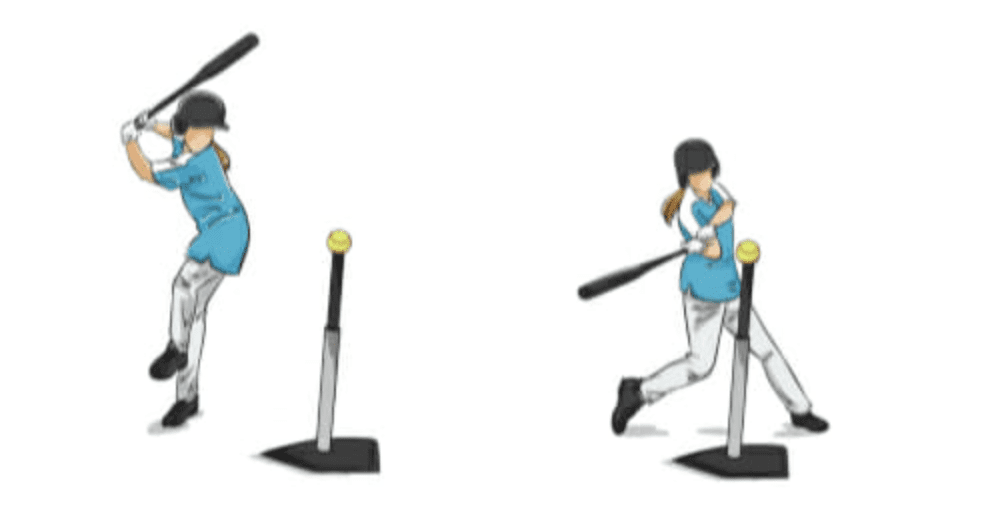
- Tee Work (10 Mins): Work on the “corners.” Move the tee inside and outside to master different contact points.
- Soft Toss (5 Mins): Have a partner toss from the side to build timing and rhythm. If you don’t have a partner, use a “self-toss” technique.
Analyzing Success: The Power of Video and Data
In 2026, we use frame-by-frame analysis to find “power leaks.” At Iosefo Hits, we believe the camera doesn’t lie.
Key Metrics to Track
- Bat Speed: How fast the barrel moves through the zone.
- Attack Angle: The angle at which the bat meets the ball. A +5 to +15 degree angle is ideal for line drives.
- Exit Velocity: How fast the ball leaves the bat. This is the ultimate measure of power
The Physics of Exit Velocity: Why Mechanics Matter
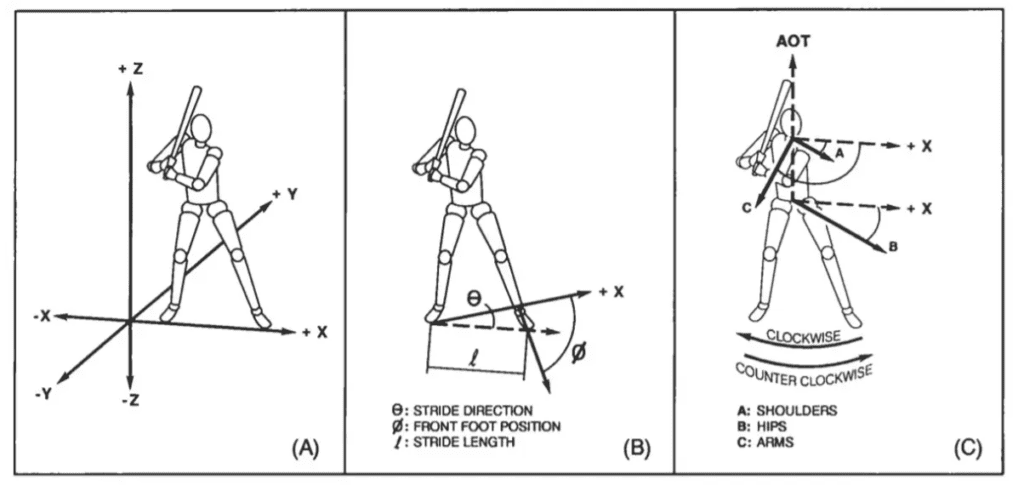
To truly understand mastering softball hitting mechanics, we have to look at the math. Exit velocity is determined by bat speed and the “smash factor” (how centered the hit is).
- Rotational Acceleration: This is how fast you can get your bat from a standstill to its top speed. By keeping your hands “connected” to your rotation, you minimize the radius of your swing, allowing you to turn faster.
- The Collision: A softball is denser than a baseball. This means the transfer of energy requires a firmer “front side.” If your front knee is soft at contact, energy leaks into the ground instead of into the ball.
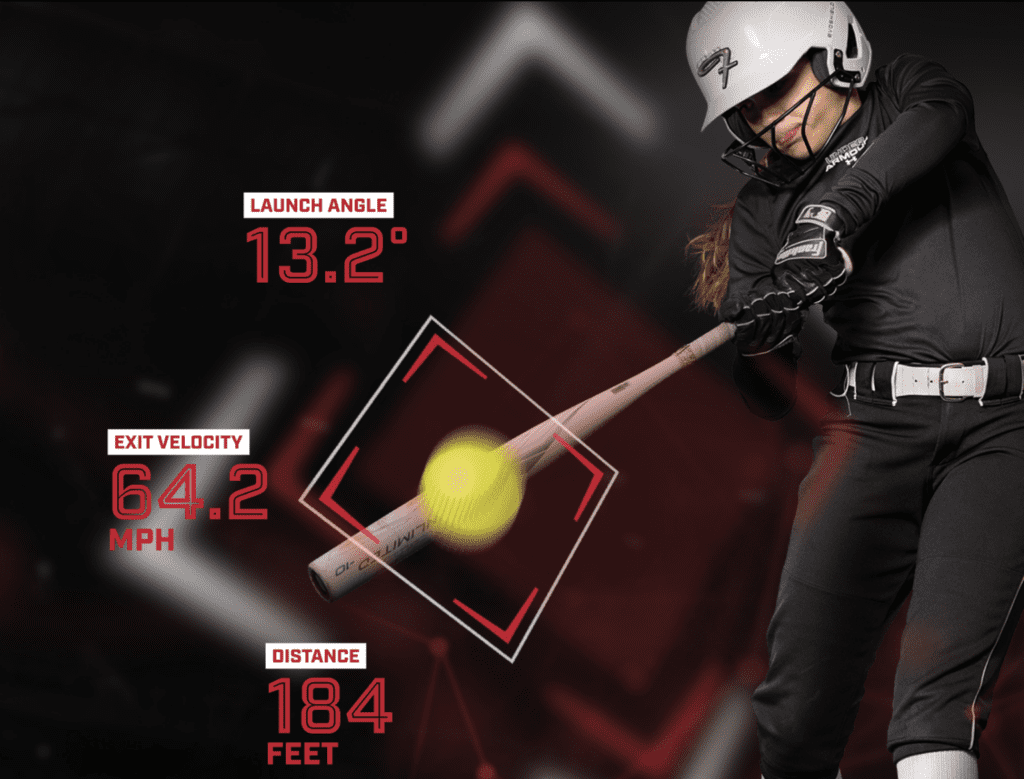
Data doesn’t lie, but results speak louder. See how our athletes use advanced tracking to dominate the recruiting trail and crush their personal records.
Pitch Recognition: The Visual Mechanics
Great hitting starts with the eyes. You can have a perfect swing, but if you’re swinging at a riseball out of the zone, the mechanics don’t matter.
- The Release Point: Focus on the pitcher’s “window.” For most fastpitch pitchers, this is near the hip.
- Spin Detection: Recognize the “seams.” A riseball has backspin (the seams look like they are climbing), while a dropball has topspin. Training your eyes to recognize these rotations early gives you an extra 0.1 seconds to adjust your bat path.
Age-Specific Mechanical Adjustments
Mechanics evolve as an athlete grows. At Iosefo Hits, we tailor our coaching to the player’s physical maturity.
- Youth (8-12): Focus on balance and “squashing the bug” to understand rotation.
- High School (14-18): Focus on “separation” and using the lower body to generate 70% of the power.
- Collegiate: Focus on “attack angles” and situational hitting mechanics, such as bat control for intentional ground balls or sacrifice flies.
Seasonal Preparation: Maintaining Mechanics Year-Round
Don’t let your mechanics rust in the winter.
- Pre-Season: High-repetition tee work to lock in muscle memory.
- In-Season: Quality over quantity. Focus on timing and pitch recognition.
- Off-Season: Strength training to increase the “engine” behind the mechanics
Your Path to the Clean-Up Spot
Mastering softball hitting mechanics is a lifelong pursuit. There is no finish line, only a continuous effort to become 1% better every day. Consistency in the cage leads to confidence on the field. When you trust your mechanics, you can clear your mind and just play. Remember: the work you do when no one is watching determines your success when the bleachers are full.
The journey to elite power doesn’t end here. Follow us for daily drills, tips, and live swing breakdowns!
Leave a Reply