Starting softball for the first time can feel overwhelming. Parents and new players often ask: “What equipment do I actually need?” There are so many options and brands that it can feel like every item on the shelf is essential, but in reality, beginners only need a few core pieces of equipment to start playing safely and effectively.
This checklist breaks down what you actually need, provides guidance on choosing the right size and type, and helps beginners avoid overspending. It also highlights optional gear that can enhance performance and comfort once the essentials are covered.
Why a Checklist Matters
A checklist serves several important purposes:
- Reduces stress for parents and players. You know exactly what to buy.
- Prevents unnecessary purchases. Beginners don’t need premium or professional-grade equipment.
- Helps players focus on fundamentals. When equipment is appropriate and comfortable, players can learn better and feel confident.
With the right essentials, beginners are set up for a successful season and can gradually upgrade equipment as their skills improve.
Essential Items Explained
Softball Glove
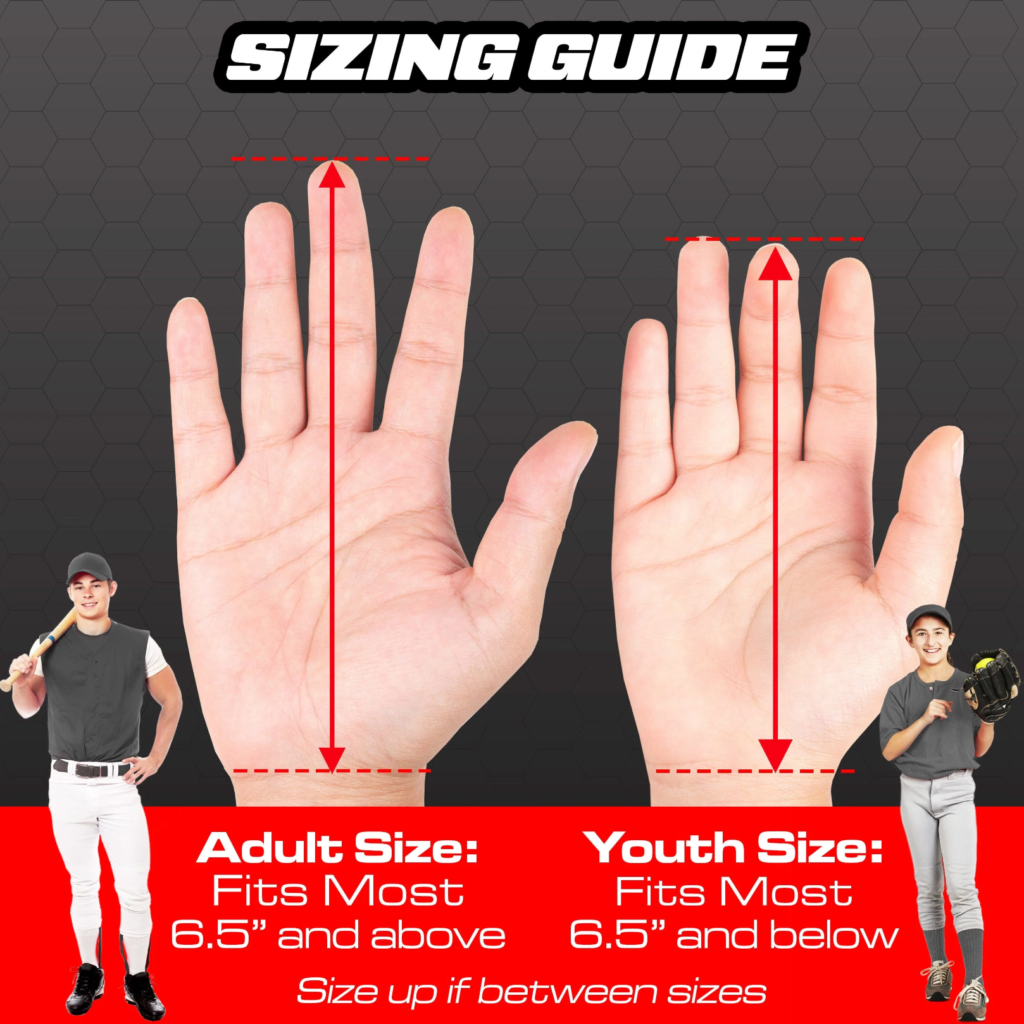
A properly sized glove is crucial. Gloves that are too large or stiff make catching more difficult and can frustrate beginners. Here are tips for choosing the right glove:
- Youth players: Use gloves specifically labeled for youth. These are smaller, lighter, and easier to open.
- Position matters: Infielders benefit from smaller gloves (11–12 inches), while outfielders use larger gloves (12–13 inches) to cover more ground.
- Materials: Leather gloves last longer and provide better feel, but synthetic gloves are lighter and require less break-in.
Tip: Check that the glove closes comfortably over the ball with minimal effort.
Softball Bat
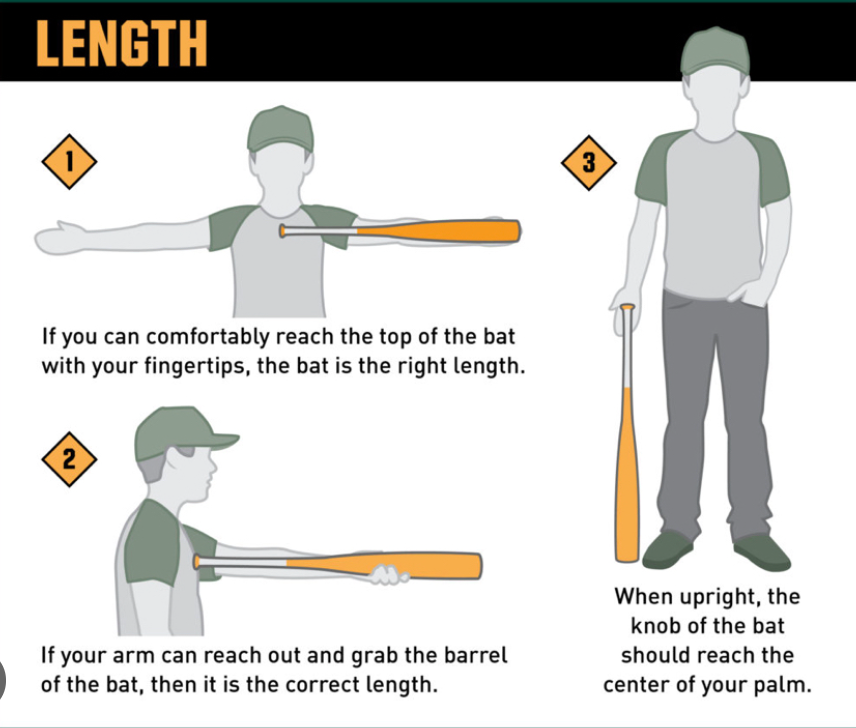
The right bat can make a huge difference in learning proper swing mechanics. Beginners should focus on:
- Length and weight: A lighter bat allows faster swings and better control. Youth players typically use 28–30 inch bats.
- Material: Aluminum or alloy bats are beginner-friendly. Composite bats are more expensive and not necessary for beginners.
- League rules: Some leagues have restrictions on bat length, weight, or certification stamps. Always check before buying.
Tip: If possible, try swinging the bat at home or at a local sports store to ensure it feels comfortable.
Softball
- Practice balls: Softer balls are easier to catch and help beginners build confidence.
- Game balls: Firmer and heavier, should be used during official games.
Tip: Beginners often benefit from using practice balls for the first few weeks of fielding practice to reduce fear of injury.
Batting Helmet
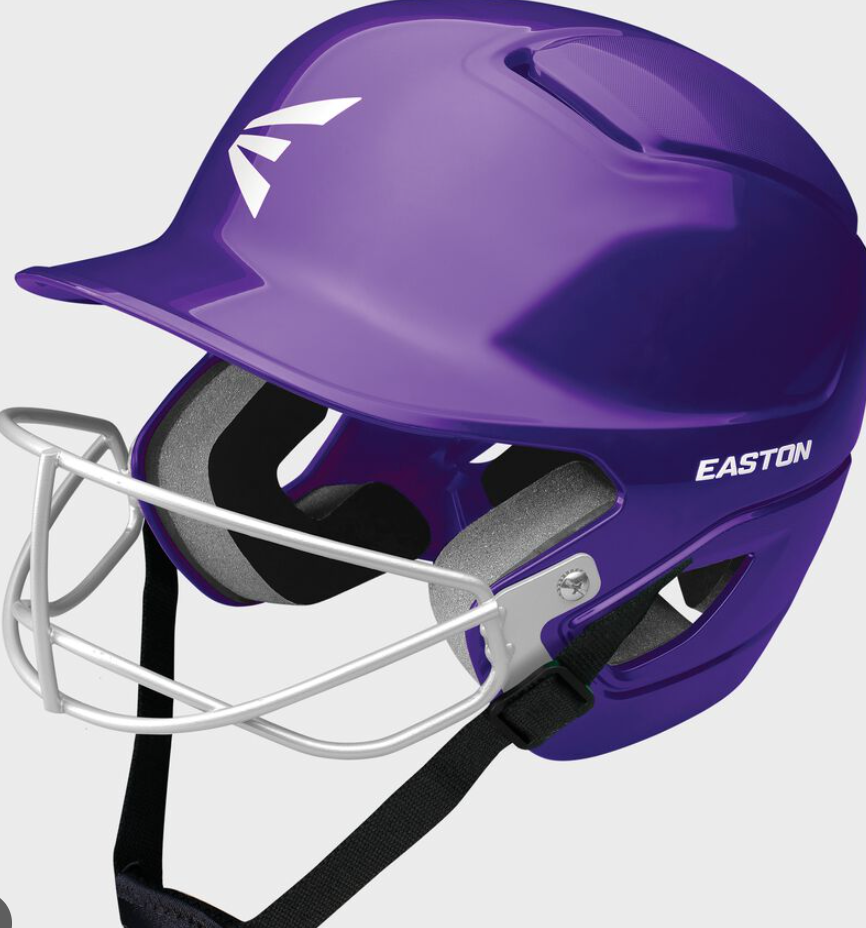
Safety comes first. Helmets must fit snugly without sliding. Face guards are recommended for younger players.
- Fit: Chin should sit comfortably in the helmet.
- Adjustable: Many youth helmets have adjustable straps or pads.
Cleats
Cleats help players run safely on dirt and grass. Molded cleats are usually required for youth leagues, while metal cleats are restricted to older players.
Tip: Make sure cleats are the correct size to prevent blisters and ankle injuries. Break them in gradually before games.
Batting Gloves
Batting gloves improve grip and prevent blisters. They are particularly helpful for players who are practicing frequently or swinging a heavier bat.
Tip: Gloves should fit snugly without bunching at the fingers.
Softball Bag
A bag keeps all equipment organized. Beginner players usually do well with a backpack-style bag that fits a glove, bat, helmet, and cleats.
Tip: Look for bags with multiple compartments and a padded strap for comfort.
Optional Items
Once a beginner has the essentials, these items can improve comfort, performance, and safety:
- Sliding shorts: Reduce friction and protect legs during slides.
- Fielding face masks: Recommended for infielders who play close to the plate.
- Bat grip tape: Helps beginners maintain control and avoid slipping hands.
- Glove conditioner: Keeps leather gloves soft and flexible.
Common Mistakes to Avoid
- Buying expensive or professional-grade gear too early.
- Choosing a glove that is too large or stiff.
- Ignoring league rules for bats and cleats.
- Forgetting essential safety items like helmets.
Learn More
For a full breakdown of each item, read the pillar post: Everything You Need to Play Softball.
Softball doesn’t require a huge investment to get started. Focus on essentials, ensure proper fit, and upgrade equipment as skills improve. With the right preparation, beginners can enjoy the game and build confidence while learning.